Overview: Train Travel from San Diego to Los Angeles
Traveling by train from San Diego to Los Angeles is one of the most convenient and popular ways to move between Southern California’s two major cities. The route is served by Amtrak, with frequent departures throughout the day and a direct connection that does not require any transfers. Many travelers choose this option because it combines reliable schedules, comfortable seating, and the ability to travel city-center to city-center without the stress of traffic or airport security lines.
On average, the train ride from San Diego to Los Angeles takes just under three hours. The fastest services complete the journey slightly quicker, while overall travel times remain consistent even during busy periods. Trains run every few hours, making it easy to plan a trip that fits both business and leisure schedules. Services generally operate every day, including weekends and holidays, although journey times may be slightly longer on peak travel days.
The distance covered on this route is just over 200 kilometers, following a coastal corridor that is well known for its scenic views. All standard services on this route run direct, meaning passengers can board in San Diego and arrive in Los Angeles without changing trains along the way. This direct service is a key reason why the route is often considered one of the easiest intercity train journeys in California.
Overall, taking the train offers a balance of speed, comfort, and practicality. With regular departures, predictable journey times, and straightforward ticket options, train travel remains a preferred choice for many travelers heading from San Diego to Los Angeles.
San Diego to Los Angeles Train – Quick Overview
| Travel Detail | Information |
|---|---|
| Average journey time | Around 2 hours 55 minutes |
| Fastest train duration | Approximately 2 hours 50 minutes |
| Distance covered | About 204 km |
| Frequency | Trains every few hours |
| Direct service | Yes, no transfers required |
| Main operator | Amtrak |
| Typical route | Pacific Surfliner |
Is There a Direct Train from San Diego to Los Angeles?
Yes, there is a direct train from San Diego to Los Angeles, and it is one of the main reasons this route is so popular with travelers. All regular train services between these two cities run direct, meaning there is no need to change trains or make transfers along the way. Passengers can board in San Diego and stay on the same train until they arrive in Los Angeles.
The route is operated by Amtrak, using its well-known Pacific Surfliner service. This train connects the two cities several times a day and is designed specifically for intercity travel along the Southern California coast. Because the service is direct, journey times remain consistent and predictable, even during busy travel periods.
For travelers wondering “is there a train from San Diego to Los Angeles?” or “does a direct train run on this route?”, the answer is straightforward: yes, direct trains run throughout the day. This makes the journey especially convenient for both first-time visitors and frequent commuters, as there is no need to coordinate connections or manage luggage between trains.
Overall, the availability of a direct service makes traveling by train from San Diego to Los Angeles simple and stress-free. With frequent departures, no transfers required, and reliable travel times, the direct train is one of the easiest ways to move between these two major California cities.
Train Companies Operating on the San Diego to Los Angeles Route
Train services between San Diego and Los Angeles are operated exclusively by Amtrak, making the route simple, consistent, and easy to understand for travelers. Unlike routes in other regions where multiple rail operators compete, this corridor is fully handled by Amtrak, which allows for standardized schedules, ticketing, onboard services, and station operations.
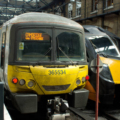
The primary service running on this route is the Pacific Surfliner, one of Amtrak’s most heavily used and best-known regional train services in California. It is specifically designed to connect major Southern California cities with frequent departures and reliable journey times.
Amtrak Pacific Surfliner: Service Overview
The Pacific Surfliner provides a direct rail connection between San Diego and Los Angeles, operating multiple times per day in both directions. The service is known for its coastal routing, comfortable seating, and consistent timetable, which makes it suitable for daily commuters, tourists, and long-distance travelers alike.
| Feature | Details |
|---|---|
| Train operator | Amtrak |
| Service name | Pacific Surfliner |
| Route type | Intercity regional rail |
| Direct service | Yes |
| Transfers required | No |
| Average journey time | Around 2 hours 50–56 minutes |
| Frequency | Trains every few hours |
| Operating days | Daily, including weekends |
What Makes Amtrak the Sole Operator on This Route
Amtrak operates all scheduled passenger rail services between San Diego and Los Angeles. This means ticket availability, pricing structure, onboard amenities, and customer service policies are uniform across the route. Travelers do not need to compare multiple rail companies, which simplifies trip planning.
| Aspect | What This Means for Travelers |
|---|---|
| Single operator | No confusion between different train companies |
| Unified ticket system | One booking platform and fare structure |
| Consistent onboard standards | Same seating, luggage rules, and amenities |
| Reliable schedules | Predictable departure and arrival times |
Onboard Experience on Pacific Surfliner Trains
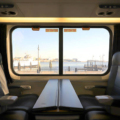
The Pacific Surfliner is designed for comfort on medium-distance journeys. Seating is spacious compared to buses and planes, and passengers can move freely during the trip. Many travelers choose this train specifically for the relaxed onboard environment.
| Onboard Feature | Availability |
|---|---|
| Reserved coach seating | Yes |
| Business class option | Available on many services |
| Power outlets | Available at most seats |
| Wi-Fi | Available (speed may vary) |
| Restrooms | Available in each carriage |
| Café service | Snacks and beverages on select trains |
| Luggage storage | Overhead racks and dedicated areas |
Route Characteristics and Travel Experience
The San Diego to Los Angeles rail corridor is widely regarded as one of the most scenic train routes in Southern California. Portions of the journey run close to the coastline, offering ocean views that are not available when traveling by car or plane. This scenic aspect is a major reason the Pacific Surfliner remains a popular choice.
| Route Element | Description |
|---|---|
| Track type | Coastal and urban rail corridor |
| Scenery | Ocean views, beaches, coastal towns |
| Ride quality | Smooth and steady |
| Traffic impact | None (unaffected by highway congestion) |
Why Pacific Surfliner Is the Preferred Choice
Because Amtrak is the only train service provider on this route, the Pacific Surfliner effectively defines rail travel between San Diego and Los Angeles. Its combination of direct service, frequent departures, and comfortable onboard amenities makes it a strong alternative to driving or flying.
| Reason | Benefit |
|---|---|
| Direct trains | No transfers or connection stress |
| Frequent departures | Flexible travel planning |
| City-center stations | Easy access to downtown areas |
| Comfortable seating | More space than buses or planes |
| Scenic route | Enjoyable travel experience |
Train Stations on the San Diego to Los Angeles Route
Train travel between San Diego and Los Angeles is straightforward because the route uses well-connected, centrally located stations in both cities. These stations are designed for intercity passengers and offer a wide range of amenities, making boarding, arrival, and onward connections simple for travelers.
The train from San Diego to Los Angeles typically departs from two main stations in San Diego and arrives primarily at Los Angeles Union Station, with some services stopping at additional suburban stations in the Los Angeles area.
Departure Stations in San Diego
Passengers traveling by train can board at two major stations in San Diego, both served by Amtrak’s Pacific Surfliner.
Santa Fe Depot
Santa Fe Depot is the main and busiest train station in San Diego. It serves as a central hub for long-distance and regional rail services and is the most common departure point for trains heading to Los Angeles.
| Station Detail | Information |
|---|---|
| Location | Downtown San Diego |
| Primary role | Main intercity rail hub |
| Served by | Amtrak Pacific Surfliner |
| Accessibility | Fully accessible |
| Typical departures | Early morning to late night |
Facilities and Services at Santa Fe Depot
| Amenity | Availability |
|---|---|
| Ticket office | Yes |
| Waiting areas | Yes |
| Restrooms | Yes |
| Wi-Fi | Available |
| Food & dining | Nearby restaurants and cafés |
| Taxi & rideshare access | Yes |
| Public transit connections | Trolley, buses |
This station is ideal for travelers staying in downtown San Diego or connecting from local transit services.
Old Town Station
Old Town Station is a popular alternative departure point, especially for travelers coming from northern San Diego or coastal areas. Many Pacific Surfliner trains stop here shortly after leaving downtown.
| Station Detail | Information |
|---|---|
| Location | Old Town, San Diego |
| Primary role | Secondary intercity stop |
| Served by | Amtrak Pacific Surfliner |
| Accessibility | Fully accessible |
| Typical departures | Throughout the day |
Facilities and Services at Old Town Station
| Amenity | Availability |
|---|---|
| Ticket office | Limited |
| Waiting areas | Yes |
| Restrooms | Yes |
| Wi-Fi | Limited |
| Parking | Available |
| Taxi & rideshare access | Yes |
| Transit connections | Trolley and buses |
Old Town Station is often chosen by travelers who want easier parking access or quicker boarding outside the downtown core.
Arrival Stations in Los Angeles
Los Angeles Union Station
Los Angeles Union Station is the primary arrival point for trains from San Diego. It is one of the largest and most important transportation hubs on the West Coast, handling both regional and long-distance services.
| Station Detail | Information |
|---|---|
| Location | Downtown Los Angeles |
| Primary role | Main rail hub for Southern California |
| Served by | Amtrak, Metro, Metrolink |
| Accessibility | Fully accessible |
| Typical arrivals | All day, including late evening |
Facilities and Services at Los Angeles Union Station
| Amenity | Availability |
|---|---|
| Ticket counters | Yes |
| Large waiting halls | Yes |
| Metropolitan Lounge | Available for eligible passengers |
| Dining options | Multiple restaurants and cafés |
| Restrooms | Yes |
| Wi-Fi | Available |
| Luggage assistance | Available |
| Taxi & rideshare access | Yes |
| Metro & Metrolink connections | Yes |
Union Station provides easy onward travel to other parts of Los Angeles via metro rail, commuter trains, buses, and taxis.
Additional Los Angeles Area Stops (Select Services)
Some trains on this route may also stop at suburban stations depending on the schedule.
| Station Name | Area Served |
|---|---|
| Chatsworth Station | San Fernando Valley |
| Northridge Station | Northridge area |
| Van Nuys Metrolink Station | Van Nuys |
These stops are useful for travelers whose final destination is outside downtown Los Angeles.
Station Comparison: San Diego to Los Angeles Route
| Station | City | Best For |
|---|---|---|
| Santa Fe Depot | San Diego | Downtown access, main departures |
| Old Town Station | San Diego | Parking access, northern San Diego |
| Union Station | Los Angeles | Central hub, metro connections |
| Suburban LA stations | Los Angeles | Valley and regional access |
Why These Stations Make the Journey Convenient
The stations on the San Diego to Los Angeles train route are positioned to minimize extra travel and maximize connectivity. With downtown locations, strong public transit links, and full passenger facilities, travelers can move easily from train to city streets without complicated transfers.
San Diego to Los Angeles Train Schedule & Timetable
The train schedule from San Diego to Los Angeles is designed for flexibility, with frequent daily departures spread from early morning until late evening. Services are operated by Amtrak on the Pacific Surfliner, and all standard services run direct, so passengers do not need to change trains at any point along the route.
Trains generally run every few hours, making it easy to choose a departure that fits business travel, day trips, or leisure plans. While schedules remain consistent throughout the week, journey times can be slightly longer on weekends and public holidays.
Typical Daily Operating Pattern (Overview)
| Schedule Element | Details |
|---|---|
| First departure (approx.) | Early morning (around 4:00–5:00 AM) |
| Last departure (approx.) | Late evening (around 9:00–10:00 PM) |
| Frequency | About every 2 hours |
| Transfers required | No |
| Operating days | Daily, including weekends |
| Main service | Pacific Surfliner |
Sample Timetable: San Diego → Los Angeles (Weekday)
Note: Times below represent common departure windows to illustrate frequency and journey duration. Exact times vary by date.
| Departure (San Diego) | Arrival (Los Angeles) | Journey Time | Service Type |
|---|---|---|---|
| 4:01 AM | 6:57 AM | ~2h 56m | Direct |
| 6:01 AM | 8:57 AM | ~2h 56m | Direct |
| 8:01 AM | 10:52 AM | ~2h 51m | Direct |
| 10:01 AM | 12:57 PM | ~2h 56m | Direct |
| 12:01 PM | 2:57 PM | ~2h 56m | Direct |
| 2:01 PM | 4:57 PM | ~2h 56m | Direct |
| 4:01 PM | 6:52 PM | ~2h 51m | Direct |
| 6:01 PM | 8:57 PM | ~2h 56m | Direct |
| 8:01 PM | 10:57 PM | ~2h 56m | Direct |
| 9:01 PM | 11:57 PM | ~2h 56m | Direct |
First and Last Trains of the Day
Knowing the earliest and latest departures helps with tight schedules, airport connections, or late-night arrivals.
| Detail | Typical Timing |
|---|---|
| Earliest train from San Diego | Around 4:00–5:00 AM |
| Latest train from San Diego | Around 9:00–10:00 PM |
| Arrival window in Los Angeles | Early morning to just before midnight |
| Overnight trains | Not available (no night train) |
Weekend & Holiday Schedule Notes
- Trains continue to run daily, including Saturdays, Sundays, and holidays.
- Frequency remains similar, but some departure times may shift slightly.
- Journey times can be a few minutes longer during peak travel periods.
| Day Type | Frequency | Journey Time |
|---|---|---|
| Weekdays | Every ~2 hours | ~2h 50–56m |
| Weekends | Every ~2–3 hours | ~2h 55–60m |
| Holidays | Reduced/adjusted | Slightly longer |
Departure Stations & Timetable Variations
Trains may depart from two different San Diego stations, which can affect the exact time shown on the timetable.
| Departure Station | Notes |
|---|---|
| Santa Fe Depot | Main downtown departure; most services start here |
| Old Town Station | Secondary stop shortly after departure |
Passengers boarding at Old Town Station will typically see departure times 5–10 minutes later than Santa Fe Depot for the same train.
How to Check Live Train Times
Because schedules can change due to maintenance, holidays, or seasonal demand, travelers are advised to confirm times close to departure.
| Method | Benefit |
|---|---|
| Official booking site | Most accurate, real-time updates |
| Mobile app | Live departures and alerts |
| Station displays | Last-minute platform information |
Key Takeaways on the Schedule
- Trains run throughout the day, from early morning to late evening.
- Direct services only, no transfers required.
- Regular frequency makes same-day planning easy.
- Slight variations may occur on weekends and holidays.
How Long Is the Train Journey from San Diego to Los Angeles? (Duration & Distance)
The train journey from San Diego to Los Angeles is known for its consistent travel times and predictable scheduling. Operated by Amtrak on the Pacific Surfliner, trains run direct with no transfers, which helps keep overall journey times steady throughout the day.
Average, Fastest & Slowest Journey Times
Most services fall within a narrow time range, making planning straightforward whether you’re traveling for work or leisure.
| Journey Metric | Typical Time |
|---|---|
| Average journey time | ~2 hours 52–56 minutes |
| Fastest train | ~2 hours 42–47 minutes |
| Slowest train | ~3 hours 00–03 minutes |
| Transfers required | None (direct service) |
What this means: even during busy periods, the trip rarely exceeds three hours, and timing differences between trains are usually just a few minutes.
Distance Covered by Train
The rail route follows a coastal and urban corridor rather than a straight highway line, which explains why train distance differs slightly from road mileage.
| Measurement | Distance |
|---|---|
| Distance (miles) | ~111 miles |
| Distance (kilometers) | ~180–204 km |
| Route type | Coastal & urban rail corridor |
Why the distance varies: some listings round to 180 km while others cite just over 200 km depending on the exact track segments and station measurements used.
Factors That Affect Travel Time
While the route is reliable, a few elements can cause minor variations:
| Factor | Impact on Duration |
|---|---|
| Departure time | Peak hours may add a few minutes |
| Day of travel | Weekends/holidays can be slightly longer |
| Boarding station | Old Town vs Santa Fe Depot may differ by ~5–10 minutes |
| Track conditions | Occasional slow zones along the coast |
Duration by Time of Day (Typical Pattern)
| Time of Day | Expected Duration |
|---|---|
| Early morning | ~2h 50–55m |
| Midday | ~2h 45–55m |
| Evening | ~2h 50–60m |
| Late evening | ~2h 55–60m |
Early and midday trains sometimes post the fastest journey times, while late-evening services can run a few minutes longer.
Train vs Other Travel Modes (Time Comparison)
To put train duration into context:
| Mode of Travel | Average Total Time* |
|---|---|
| Train | ~2h 50–56m |
| Bus | ~3h 30–5h |
| Flight | ~2h 45–3h (including airport time) |
| Car | ~2h 30–4h (traffic dependent) |
*Total time includes typical waiting, boarding, and access time.
Key Takeaways on Duration & Distance
- The train ride from San Diego to Los Angeles consistently takes under three hours.
- All services are direct, keeping travel time predictable.
- Distance is roughly 111 miles (180–204 km) depending on measurement method.
- The train offers one of the most time-stable options between the two cities.
Train Ticket Prices from San Diego to Los Angeles
Ticket pricing for the train from San Diego to Los Angeles is generally affordable and predictable, especially compared with flights. All train services on this route are operated by Amtrak, and fares vary mainly based on how early you book, time of travel, and seat availability rather than distance or class complexity.
Most travelers will find that prices stay within a narrow range on most days, making the train a reliable option for both advance planning and short-notice trips.
Average, Cheapest & Typical Ticket Prices
| Fare Type | Price Range |
|---|---|
| Cheapest tickets | $28–$36 |
| Average ticket price | $35–$40 |
| Higher-demand periods | $45+ |
| Same-day booking | Usually higher |
| Advance booking (2–3 weeks) | Usually cheapest |
Key insight: Booking early almost always results in the lowest fares, while same-day tickets tend to be closer to the upper end of the range.
Ticket Prices by Booking Time
| When You Book | Expected Price Behavior |
|---|---|
| 21+ days in advance | Lowest fares available |
| 7–14 days in advance | Moderate prices |
| 1–3 days before travel | Higher prices |
| Same-day travel | Highest fares |
This pricing pattern closely mirrors what travelers see on major booking platforms, where early planners consistently benefit from lower costs.
Price Differences by Time of Day
| Departure Time | Typical Fare Trend |
|---|---|
| Early morning | Lower to average |
| Midday | Average |
| Evening | Average to slightly higher |
| Peak hours | Higher due to demand |
Early-morning and off-peak departures often offer the best value, especially for flexible travelers.
One-Way vs Round-Trip Pricing
| Ticket Type | Pricing Notes |
|---|---|
| One-way | Most common and flexible |
| Round-trip | Usually two one-way fares |
| Open return | Pricing varies by availability |
Unlike airlines, train tickets on this route are typically priced per segment rather than bundled with discounts for round trips.
Ticket Classes & Seating Options
| Seating Option | Price Impact | Notes |
|---|---|---|
| Coach class | Lowest fares | Standard seating, most common |
| Business class | Higher | Extra comfort, limited availability |
Coach class covers the majority of travelers and offers the best balance between comfort and cost.
What’s Included in the Ticket Price
| Included Feature | Details |
|---|---|
| Seat reservation | Included |
| Luggage allowance | Included (generous compared to airlines) |
| Restroom access | Included |
| Wi-Fi | Included (speed may vary) |
| Power outlets | Included |
There are no hidden baggage or seat-selection fees, which helps keep total travel costs transparent.
Train vs Other Transport Costs (Price Comparison)
| Mode of Travel | Typical Cost |
|---|---|
| Train | $28–$45 |
| Bus | $22–$35 |
| Flight | $80+ |
| Car (fuel & tolls) | Variable |
While buses may occasionally be cheaper, trains often provide a better balance of comfort, time reliability, and overall value.
Key Takeaways on Ticket Prices
- Train tickets are affordable and consistent on this route
- Advance booking is the best way to secure the lowest fares
- Coach class offers the best value for most travelers
- No surprise fees make train travel cost-transparent
How to Find Cheap Train Tickets from San Diego to Los Angeles
Finding cheap train tickets from San Diego to Los Angeles is mostly about timing and flexibility. Because this route is operated by Amtrak with frequent daily departures, travelers who plan even slightly ahead usually secure better prices than those booking at the last minute.
Unlike flights, train fares on this route don’t fluctuate wildly, but there are still clear patterns that help travelers consistently pay less.
Best Time to Book Train Tickets
Booking in advance is the single most effective way to save money on this route.
| Booking Window | Price Outcome |
|---|---|
| 21+ days before travel | Lowest fares |
| 14–20 days before | Very good prices |
| 7–13 days before | Moderate prices |
| 1–6 days before | Higher fares |
| Same-day booking | Highest fares |
Key takeaway: Travelers booking about two to three weeks in advance usually find the cheapest tickets.
Cheapest Days and Times to Travel
Ticket prices are also influenced by when you travel, not just when you book.
| Travel Timing | Fare Trend |
|---|---|
| Early morning departures | Cheaper |
| Midday trains | Average |
| Evening peak hours | Higher |
| Weekdays | Cheaper |
| Weekends & holidays | More expensive |
If your schedule is flexible, choosing early-morning weekday trains often results in noticeable savings.
Advance Booking vs Same-Day Tickets
| Booking Type | Typical Price Difference |
|---|---|
| Advance booking | $28–$36 |
| Same-day purchase | $40–$50+ |
| Last seats available | Highest fares |
Train tickets rarely sell out far in advance, but lower-priced seats do, which is why late bookings cost more.
Coach vs Business Class: Cost Difference
| Seating Option | Price Level | Value for Money |
|---|---|---|
| Coach class | Lowest | Best for most travelers |
| Business class | Higher | More comfort, higher cost |
For travelers focused on savings, coach class consistently offers the best value.
Avoiding Peak Travel Periods
Peak demand directly affects pricing.
| Peak Period | Price Impact |
|---|---|
| Friday afternoons | Higher fares |
| Sunday evenings | Higher fares |
| Major holidays | Higher fares |
| Summer weekends | Higher fares |
Traveling outside these windows helps keep ticket costs down.
Comparing One-Way vs Round-Trip Tickets
| Ticket Type | Cost Advantage |
|---|---|
| One-way | Most flexible |
| Round-trip | Usually same as two one-way tickets |
| Open return | Limited availability |
There is typically no discount for round-trip bookings, so purchasing two one-way tickets often provides better flexibility.
Smart Booking Tips That Actually Work
| Tip | Why It Helps |
|---|---|
| Book early | Access to lowest fare buckets |
| Travel off-peak | Lower demand = lower prices |
| Choose coach class | Cheapest seating option |
| Be flexible with times | Early and midday trains cost less |
| Avoid holidays | Demand-driven pricing |
Summary: Cheapest Way to Book Train Tickets
- Book 2–3 weeks in advance
- Travel on weekdays if possible
- Choose early-morning or midday departures
- Stick to coach class
- Avoid last-minute bookings
By following these steps, most travelers can consistently secure cheap train tickets from San Diego to Los Angeles without sacrificing comfort or convenience.
Is the San Diego to Los Angeles Train Scenic?
Yes, the train from San Diego to Los Angeles is widely considered one of the most scenic train rides in Southern California. Large portions of the route run along the Pacific coastline, offering ocean views that are simply not possible when traveling by car or plane. This scenic quality is one of the main reasons many travelers deliberately choose the train, even when other transport options are available.
What Makes This Route Scenic
The rail line follows a coastal corridor for significant stretches, especially in northern San Diego County and southern Orange County. Trains travel close to beaches, cliffs, lagoons, and coastal towns, creating a relaxed and visually engaging journey.
| Scenic Feature | What You’ll See |
|---|---|
| Pacific Ocean views | Waves, beaches, coastline |
| Coastal cliffs | Elevated track sections near the shore |
| Beach towns | Small coastal communities and marinas |
| Lagoons & wetlands | Natural landscapes near the tracks |
| Urban transitions | Gradual shift from coast to city |
Best Sections of the Route for Views
While the entire journey is pleasant, some sections are especially known for standout scenery.
| Route Segment | Scenic Highlights |
|---|---|
| San Diego → Oceanside | Continuous ocean views close to the tracks |
| Oceanside → San Clemente | Beaches, cliffs, and coastal bluffs |
| San Clemente → Orange County | Harbors, wetlands, seaside towns |
| Orange County → Los Angeles | Urban scenery with occasional coastal glimpses |
Passengers seated on the ocean-facing side of the train often enjoy the best views during daylight trips.
Best Time of Day for Scenic Views
Lighting and visibility play a major role in how scenic the journey feels.
| Time of Day | Scenic Quality |
|---|---|
| Early morning | Soft light, calm ocean views |
| Midday | Clear visibility, bright coastline |
| Late afternoon | Golden-hour lighting |
| Evening / night | Limited visibility |
For travelers focused on scenery, daytime departures provide the most rewarding experience.
Scenic Value Compared to Other Travel Modes
| Mode of Travel | Scenic Experience |
|---|---|
| Train | Excellent – coastal views throughout |
| Car | Limited – road barriers and traffic |
| Bus | Minimal – highway-focused |
| Flight | Very limited – short aerial view only |
The train offers a continuous visual experience, rather than brief or obstructed glimpses.
Onboard Experience That Enhances the Scenery
Comfortable seating and large windows make it easy to enjoy the views without distraction.
| Onboard Feature | Scenic Benefit |
|---|---|
| Large windows | Unobstructed coastal views |
| Spacious seating | Comfortable viewing for long stretches |
| Freedom to move | Ability to change seats or walk between cars |
| No driving stress | Relax and enjoy the scenery |
Is the Scenic Route Worth Choosing the Train?
For many travelers, the answer is yes. The scenic aspect transforms the journey into part of the trip itself rather than just transportation.
| Traveler Type | Scenic Appeal |
|---|---|
| Leisure travelers | Very high |
| Tourists | Very high |
| Day trippers | High |
| Business travelers | Moderate |
Key Takeaways on the Scenic Experience
- The route offers some of the best coastal rail views in California
- Daytime travel provides the best scenery
- The train is more scenic than driving or flying
- Comfort and window access enhance the experience
Train vs Bus vs Flight from San Diego to Los Angeles: Which Is Better?
When choosing how to travel between San Diego and Los Angeles, most travelers compare train, bus, and flight. Each option has its advantages, but the best choice depends on what you value most—time reliability, comfort, cost, or convenience. Below is a clear, side-by-side breakdown based on real-world travel patterns on this corridor.
Overall Comparison at a Glance
| Factor | Train | Bus | Flight |
|---|---|---|---|
| Primary operators | Amtrak | FlixBus, others | Major airlines |
| Average total time* | ~2h 50–56m | ~3h 30–5h | ~2h 45–3h |
| Typical price range | $28–$45 | $22–$35 | $80+ |
| City-center access | Yes | Yes | No (airport travel needed) |
| Direct options | Yes | Yes | Yes |
| Comfort level | High | Moderate | Moderate |
| Scenic value | Excellent | Low | Very low |
| Luggage fees | No | Sometimes | Often |
*Total time includes typical access, waiting, and boarding.
Time & Reliability
| Mode | What to Expect |
|---|---|
| Train | Consistent schedules; unaffected by highway traffic |
| Bus | Subject to road congestion and delays |
| Flight | Short airtime, but airport security and transfers add time |
Insight: While flights can be quick in the air, door-to-door time often matches or exceeds the train due to airport processes.
Cost Comparison
| Mode | Cost Details |
|---|---|
| Train | Stable pricing; best value when booked early |
| Bus | Cheapest on paper, but longer travel time |
| Flight | Highest base fares plus add-on fees |
Insight: The train balances cost and comfort better than flights, and avoids the longer durations typical of buses.
Comfort & Onboard Experience
| Feature | Train | Bus | Flight |
|---|---|---|---|
| Seat space | Spacious | Limited | Limited |
| Ability to move | Yes | No | No |
| Power & Wi-Fi | Often available | Limited | Varies |
| Restrooms | Onboard | Onboard | Onboard |
| Noise & stress | Low | Moderate | High (airports) |
Convenience & Access
| Mode | Convenience Factors |
|---|---|
| Train | Downtown stations; simple boarding |
| Bus | City pickup, but fewer amenities |
| Flight | Airport transfers; security lines |
Environmental Impact
| Mode | CO₂ Emissions (Approx.) |
|---|---|
| Train | Lowest |
| Bus | Low |
| Flight | Highest |
Which Option Should You Choose?
| Traveler Priority | Best Choice |
|---|---|
| Fast, predictable trip | Train |
| Lowest possible fare | Bus |
| Frequent flyer miles | Flight |
| Scenic journey | Train |
| Minimal hassle | Train |
Bottom Line
For most travelers, the train from San Diego to Los Angeles offers the best overall experience: reliable timing, downtown-to-downtown access, comfortable seating, and scenic coastal views—often at a competitive price. Buses can save money if time isn’t critical, while flights are best reserved for specific airline-loyalty needs.
FAQs: Train from San Diego to Los Angeles
Below are the most frequently asked questions travelers search for when planning a train trip from San Diego to Los Angeles. These answers are written to match real search intent, People Also Ask queries, and competitor phrasing, while keeping the explanations clear and practical.
Is there a train from San Diego to Los Angeles?
Yes, there is a direct train from San Diego to Los Angeles. All regular passenger train services on this route run without transfers, allowing travelers to stay on the same train from departure to arrival. This makes the journey simple and convenient, especially for first-time travelers.
Is there a direct train from San Diego to Los Angeles?
Yes. All trains on this route are direct, and no changes are required. Services are operated by Amtrak, which ensures consistent scheduling and a straightforward travel experience.
How long is the train ride from San Diego to Los Angeles?
The average train ride takes about 2 hours and 50–56 minutes. The fastest trains complete the journey in approximately 2 hours and 42–47 minutes, while slower services may take close to 3 hours, depending on departure time and day of travel.
How far is San Diego from Los Angeles by train?
The distance traveled by train is approximately 111 miles (180–204 kilometers). The variation comes from how different sources measure the rail corridor, but all trains follow a coastal and urban rail route between the two cities.
How much does a train ticket from San Diego to Los Angeles cost?
Train ticket prices typically range from $28 to $45.
- Cheapest tickets are usually available when booking early
- Average fares fall around the mid-$30 range
- Same-day tickets tend to be more expensive
Prices depend on demand, booking time, and seat availability.
What is the cheapest way to travel by train on this route?
The cheapest way to travel by train is to:
- Book 2–3 weeks in advance
- Travel on weekdays
- Choose early-morning or midday departures
- Select coach class
Following these steps usually results in the lowest available fares.
What train company operates between San Diego and Los Angeles?
All train services between San Diego and Los Angeles are operated by Amtrak, using the Pacific Surfliner service. There are no other passenger rail operators on this route.
Where does the train depart from in San Diego?
Trains typically depart from:
- Santa Fe Depot (downtown San Diego)
- Old Town Station (secondary stop)
Both stations are served by the same trains, with Old Town departures occurring a few minutes after Santa Fe Depot.
Where does the train arrive in Los Angeles?
Most trains arrive at Los Angeles Union Station, the city’s main rail hub. Some services may also stop at suburban stations such as Chatsworth, Northridge, or Van Nuys, depending on the schedule.
Are trains running every day from San Diego to Los Angeles?
Yes, trains operate daily, including weekends and holidays. While departure times may vary slightly on holidays, service generally runs throughout the day from early morning until late evening.
What is the first and last train from San Diego to Los Angeles?
- First train: Typically departs early morning (around 4:00–5:00 AM)
- Last train: Usually departs late evening (around 9:00–10:00 PM)
There are no overnight or night trains on this route.
Conclusion: Is Taking the Train from San Diego to Los Angeles Worth It?
For most travelers, taking the train from San Diego to Los Angeles is a smart, comfortable, and reliable choice. With direct services, frequent daily departures, and an average journey time of under three hours, the train offers a level of predictability that is often hard to match when driving or flying. Operated by Amtrak on the Pacific Surfliner, the route is specifically designed for intercity travel across Southern California.
One of the biggest advantages of train travel on this route is convenience. Trains depart from and arrive at centrally located stations, allowing travelers to avoid highway traffic, airport security lines, and additional transfer time. Ticket pricing is also transparent, with no hidden baggage or seat-selection fees, making it easier to manage travel costs. For those who book early, fares are often competitive with buses while offering far greater comfort.
The scenic value of the journey further enhances the experience. Coastal views, beach towns, and ocean stretches turn the trip itself into part of the travel experience rather than just a means of getting from point A to point B. This makes the train especially appealing for leisure travelers, tourists, and anyone who prefers a relaxed journey.
Overall, whether you’re traveling for business, a weekend getaway, or a day trip, the train provides a balanced combination of speed, comfort, affordability, and ease. For travelers looking for a stress-free way to move between San Diego and Los Angeles, the train remains one of the best transportation options available.