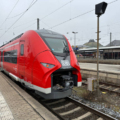
Overview of Train Travel Between New Orleans and Baton Rouge
Travel between New Orleans and Baton Rouge is one of the most searched transportation routes in Louisiana, especially among commuters, students, and travelers looking for an alternative to driving along the often-congested I-10 corridor. The two cities are the largest metro areas in the state, together representing nearly half of Louisiana’s population, which makes reliable regional transportation an ongoing priority.
Many people search for a train from New Orleans to Baton Rouge or a train from Baton Rouge to New Orleans expecting a simple, daily passenger rail option similar to other U.S. city pairs. However, train travel on this route is often misunderstood. At present, rail options are limited and indirect, while a more robust passenger train service is still part of a long-term development plan rather than an everyday travel solution.
State and regional transportation agencies have emphasized that restoring passenger rail between the two cities would provide an attractive and reliable transportation alternative to automobile travel, helping to reduce traffic congestion, improve access to jobs, and better connect communities along the corridor. Because of this, the New Orleans–Baton Rouge rail corridor is frequently discussed in the context of future passenger rail service, even though travelers today must still rely largely on cars, buses, or mixed-mode trips.
This guide explains the current reality of train travel, the planned passenger rail service, expected routes and travel times, and how train options compare with driving and other transportation methods between New Orleans and Baton Rouge.
Is There a Train from New Orleans to Baton Rouge? (Current Reality)
Many travelers ask “is there a train from New Orleans to Baton Rouge?” because rail travel is often seen as a convenient alternative to driving. In reality, there is no direct, dedicated passenger train service operating between the two cities today. While train travel does exist in a limited form, it does not function as a regular commuter or point-to-point passenger rail line.
At present, travelers may find very limited train options, most commonly involving Amtrak services that only take passengers part of the way. This means the journey typically requires transfers to another vehicle, such as a bus or express shuttle, before reaching Baton Rouge. Because of this, train travel on this route requires careful planning and flexibility around schedules.
Transportation agencies and rail authorities have been clear that a daily passenger train connecting New Orleans and Baton Rouge is still years away. Current options should not be confused with the planned passenger rail service, which is part of a larger regional rail development effort. For now, travelers looking for reliable, same-day travel between the two cities usually depend on driving or bus services, while rail remains a limited and indirect option.
Current Train Travel Snapshot: New Orleans ↔ Baton Rouge
| Category | Current Situation |
|---|---|
| Direct passenger train | Not available |
| Train frequency | Very limited |
| Typical journey type | Indirect, mixed-mode travel |
| Main rail operator | Amtrak (partial route only) |
| Transfers required | Yes, usually by bus or shuttle |
| Best use case | Flexible travelers, not daily commuters |
This distinction between current limited rail options and future passenger train plans is important for travelers searching for accurate information about train service between New Orleans and Baton Rouge.
Future Passenger Rail Plans Between Baton Rouge and New Orleans
While current train options between the two cities are limited, transportation officials have confirmed that a new passenger rail service connecting New Orleans and Baton Rouge is planned, though it is still several years away. According to regional rail authorities, the goal is to establish a daily passenger train that would provide a reliable transportation alternative to automobile travel along the busy I-10 corridor.
The project is being led by the Southern Rail Commission, in coordination with state and federal partners, and is part of a broader effort to expand passenger rail service across the Gulf Coast region. Officials have stated that the service is expected to be two to four years away, depending on funding, station construction, and final project approvals. The line would use existing rail infrastructure, but several new stations must be built before service can begin.
Planners have emphasized that restoring passenger rail between Baton Rouge and New Orleans would help reduce traffic congestion, improve access to jobs, and create new economic opportunities in communities along the route. The service is also intended to strengthen regional connectivity by linking downtown areas, suburban employment hubs, and Louis Armstrong New Orleans International Airport.
Planned Passenger Train: Baton Rouge ↔ New Orleans
| Project Detail | Planned Service |
|---|---|
| Service status | In development |
| Expected timeline | Approximately 2–4 years |
| Daily trips | Twice daily (proposed) |
| Estimated travel time | 75–90 minutes |
| Rail infrastructure | Existing tracks |
| Proposed stops | Baton Rouge (Downtown & Health District), Gonzales, LaPlace, MSY Airport, New Orleans Union Passenger Terminal |
| Project purpose | Reduce I-10 congestion, improve regional mobility, support economic development |
Passenger train service on this corridor last operated in 1969, and officials view the planned restoration as a critical step toward creating a regional network of passenger rail connecting major cities across Louisiana and the Gulf Coast.
Proposed Route, Stops, and Travel Time
The planned passenger rail service between Baton Rouge and New Orleans is designed to follow an existing rail corridor, making use of current tracks while adding new stations along the route. Transportation planners have stated that this approach allows the project to move forward without building an entirely new rail line, while still providing meaningful improvements in regional mobility.
Under the tentative plan, the train would serve multiple communities between the two cities, creating convenient access for commuters, airport travelers, and event-goers. The route is intended to connect downtown Baton Rouge, suburban employment centers, and New Orleans Union Passenger Terminal, with a direct stop at Louis Armstrong New Orleans International Airport to improve rail-air connectivity.
The full journey is expected to take approximately 75 to 90 minutes, a travel time that positions passenger rail as a competitive alternative to driving, especially during peak traffic hours on I-10. By offering predictable travel times and multiple daily departures, the service is expected to appeal to both daily commuters and occasional travelers.
Proposed Baton Rouge–New Orleans Passenger Rail Route
| Route Element | Details |
|---|---|
| Total corridor length | Approximately 80 miles |
| Estimated travel time | 75–90 minutes |
| Track type | Existing rail infrastructure |
| Baton Rouge stops | Downtown Baton Rouge, Health District |
| Intermediate stops | Gonzales, LaPlace |
| New Orleans stops | MSY Airport, Union Passenger Terminal |
| Corridor designation | Part of the federally designated Gulf Coast rail corridor |
By linking major population centers, employment hubs, and the region’s primary airport, the proposed route is intended to function as a key segment of a larger passenger rail network stretching across the Gulf Coast and connecting multiple Southern cities.
Train Schedule and Frequency (Current vs Proposed)
One of the biggest differences between current train options and the planned passenger rail service between New Orleans and Baton Rouge is the frequency and reliability of departures. At present, train travel on this route is extremely limited and does not operate on a true commuter-style schedule. This makes it impractical for most daily travelers and those needing predictable departure times.
The proposed passenger rail service, however, is designed to offer regular, scheduled departures each day, making train travel a realistic alternative to driving. Transportation officials have indicated that the plan includes twice-daily trips in each direction, allowing travelers to plan work commutes, airport connections, and event travel more efficiently.
Until the new service launches, travelers must continue to work around limited train availability and, in many cases, indirect connections. The contrast between the current reality and the future service model is significant and highlights why the New Orleans–Baton Rouge passenger train remains a highly anticipated project.
Train Schedule Comparison: New Orleans ↔ Baton Rouge
| Schedule Aspect | Current Train Options | Proposed Passenger Rail |
|---|---|---|
| Service availability | Limited | Planned |
| Trips per day | Very limited | Twice daily |
| Departure consistency | Irregular | Fixed schedule |
| Commuter-friendly | No | Yes |
| Direct service | No | Yes (planned) |
| Reliability for daily travel | Low | High |
Once operational, the planned schedule is expected to transform rail travel between the two cities by offering predictable travel times and consistent departures, features that are currently unavailable to most travelers on this route.
Train Ticket Prices and Expected Costs
Ticket pricing is another area where there is a clear distinction between current train travel and the planned passenger rail service between New Orleans and Baton Rouge. Because today’s rail options are limited and often involve indirect travel, ticket prices can vary widely depending on availability, travel date, and the combination of services used.
For existing train-based trips, fares are generally higher than what travelers would expect for such a short distance. Prices can fluctuate significantly, especially when tickets are booked close to the travel date or when only a small number of seats are available. This unpredictability makes current train travel less appealing for budget-conscious commuters.
In contrast, planners have stated that the future passenger train is intended to be affordable and competitive with driving. Early feasibility studies estimate a ticket price of approximately $10 to $15 each way, positioning the service as a low-cost transportation alternative for daily commuters, students, and event travelers.
Train Fare Comparison: New Orleans ↔ Baton Rouge
| Fare Category | Current Train Travel | Proposed Passenger Rail |
|---|---|---|
| Typical ticket range | Variable, often higher | $10–$15 each way |
| Pricing stability | Low | High |
| Commuter affordability | Limited | Strong |
| Advance booking impact | High | Moderate |
| Cost compared to driving | Often higher | Lower or comparable |
By offering stable, low-cost fares, the planned passenger rail service aims to remove one of the major barriers to train travel and encourage more people to choose rail over driving between New Orleans and Baton Rouge.
Distance Between New Orleans and Baton Rouge
Understanding the distance between the two cities helps explain why the New Orleans–Baton Rouge corridor is considered well suited for passenger rail service. The cities are relatively close, yet travel between them can still be time-consuming due to traffic congestion, especially during peak hours and major events.
The distance from New Orleans to Baton Rouge is approximately 73 miles (117 kilometers). This short-to-medium distance places the route in an ideal range for regional rail, where trains can compete directly with driving by offering predictable travel times and reduced travel stress.
Because the corridor follows established rail and highway infrastructure, the distance remains fairly consistent regardless of the transportation mode used. However, the time required to cover that distance can vary significantly depending on traffic conditions, time of day, and the mode of transportation chosen.
Distance Overview: New Orleans ↔ Baton Rouge
| Distance Metric | Details |
|---|---|
| Driving distance | Approximately 73 miles |
| Distance in kilometers | 117 km |
| Rail corridor length | Around 75–80 miles |
| Typical driving route | I-10 corridor |
| Ideal use case for rail | Short regional travel |
This relatively short distance is a key reason transportation planners view passenger rail as a practical and efficient solution for connecting New Orleans and Baton Rouge, particularly for commuters and frequent travelers.
New Orleans to Baton Rouge Driving Time vs Train
When comparing driving versus train travel between New Orleans and Baton Rouge, travel time is one of the most important factors for travelers. Although the distance between the two cities is relatively short, actual journey times can vary widely depending on traffic conditions, time of day, and special events.
Driving between New Orleans and Baton Rouge typically takes about 1 hour 15 minutes to 1 hour 30 minutes under normal conditions. However, congestion along the I-10 corridor can significantly increase travel time, especially during morning and evening rush hours, weekends, and major events. Accidents or construction can further add to delays, making travel times unpredictable.
By contrast, the planned passenger train service is expected to offer a consistent travel time of approximately 75 to 90 minutes, regardless of road traffic. This reliability is one of the primary advantages of rail travel, particularly for commuters and travelers who value predictability over speed. While current train options do not yet offer this benefit, the proposed service is designed specifically to address these challenges.
Driving vs Train Travel: New Orleans ↔ Baton Rouge
| Comparison Factor | Driving | Passenger Train (Planned) |
|---|---|---|
| Average travel time | 1 hr 15 min – 1 hr 30 min | 75–90 minutes |
| Travel time reliability | Low (traffic dependent) | High (fixed schedule) |
| Traffic congestion impact | High | None |
| Stress level | Higher | Lower |
| Work or relax during travel | Limited | Yes |
For travelers who frequently commute or travel between the two cities, the future passenger train is expected to provide a more predictable and less stressful alternative to driving on I-10.
Transportation Options from New Orleans to Baton Rouge
Travelers moving between New Orleans and Baton Rouge currently rely on a mix of transportation options, as a direct, daily passenger train is not yet available. Each option differs in terms of travel time, cost, comfort, and flexibility, which is why many travelers compare modes before deciding how to make the trip.
Driving remains the most commonly used method because it offers door-to-door flexibility. Bus services provide a lower-cost alternative for travelers who prefer not to drive, while limited train-based trips exist but usually require transfers. Looking ahead, the planned passenger rail service is intended to fill the gap by offering a reliable and affordable regional transportation option.
Transportation Options: New Orleans ↔ Baton Rouge
| Transportation Mode | Key Details |
|---|---|
| Car | Most flexible option; travel time depends heavily on I-10 traffic conditions |
| Bus | Budget-friendly; fixed schedules and longer travel times |
| Train (current) | Limited and indirect; may require transfers |
| Passenger train (planned) | Twice-daily service proposed; predictable travel times |
| Airport connections | MSY provides regional and national connectivity |
Until passenger rail service becomes available, travelers typically choose between driving and bus services, while monitoring future rail developments that promise to improve connectivity between the two cities.
Economic and Commuter Benefits of the Passenger Train
Transportation planners have consistently emphasized that restoring passenger rail between New Orleans and Baton Rouge would deliver significant economic and commuter benefits beyond simple point-to-point travel. By connecting the two largest metro areas in Louisiana, the service is expected to function as a catalyst for economic development along the corridor.
Passenger rail is viewed as a reliable transportation alternative to automobile travel, particularly for workers who commute regularly between cities. Improved access to jobs, education, and healthcare facilities would allow residents to consider employment opportunities without relying solely on daily driving. Stations along the route are also expected to encourage transit-oriented development, supporting retail, restaurant, and mixed-use growth in surrounding communities.
In addition to daily commuting, the passenger train would support major regional events and tourism, offering convenient access to LSU and Saints football games, Mardi Gras, Jazz Fest, and conferences. Rail service is also expected to play a role in emergency evacuation planning, providing a safe and efficient way to move large numbers of people, including medical patients, out of the Greater New Orleans area when necessary.
Key Benefits of the Baton Rouge–New Orleans Passenger Train
| Benefit Area | Impact |
|---|---|
| Economic development | Stimulates growth near stations and corridors |
| Job access | Expands commuting options across metro areas |
| Traffic reduction | Helps relieve congestion on I-10 |
| Commuter reliability | Predictable travel times and schedules |
| Event & tourism travel | Easier access to major regional events |
| Emergency evacuation | Alternative transport during disasters |
These combined benefits explain why the passenger rail project is viewed as a long-term investment in regional mobility and economic resilience, rather than just a new travel option.
Amtrak and the Southern Rail Commission’s Role
The development of passenger rail service between Baton Rouge and New Orleans is being guided by a partnership between Amtrak, the Southern Rail Commission (SRC), and multiple state and federal agencies. Each organization plays a specific role in planning, funding, and advancing the project from concept to operation.
The Southern Rail Commission serves as the primary regional coordinator, working to restore and expand passenger rail across the Gulf Coast. The commission has led feasibility studies, public outreach, and grant applications to support the Baton Rouge–New Orleans corridor. Amtrak, as the nation’s primary passenger rail operator, is expected to operate the service once infrastructure, stations, and agreements are finalized.
State transportation departments and federal agencies are also involved in the process, contributing funding and overseeing environmental reviews and safety requirements. This multi-agency collaboration is necessary to ensure that the service integrates smoothly with existing freight rail operations while meeting passenger rail standards.
Roles and Responsibilities in the Passenger Rail Project
| Organization | Primary Role |
|---|---|
| Southern Rail Commission | Project leadership, planning, and coordination |
| Amtrak | Future passenger rail operator |
| State agencies | Funding support and transportation oversight |
| Federal agencies | Grants, environmental review, and safety approvals |
| Freight rail owners | Track access and operational coordination |
Through this coordinated approach, officials aim to establish a safe, reliable, and sustainable passenger rail service that fits within the broader regional rail network and meets long-term transportation needs.
Train Stations in New Orleans and Baton Rouge
Train stations play a critical role in how passenger rail service functions between New Orleans and Baton Rouge, both for current travel options and for the planned passenger rail project. Existing facilities are already in place for limited rail and bus services, while new stations and station upgrades are part of the long-term plan to support daily passenger trains.
In New Orleans, passenger rail services are centered around the Union Passenger Terminal, a major transportation hub that already serves Amtrak routes and regional bus connections. The planned Baton Rouge–New Orleans passenger train would also include a direct stop at Louis Armstrong New Orleans International Airport, creating an important rail-air connection for travelers.
Baton Rouge currently relies on a central terminal that supports intercity bus services and limited rail-related travel. For the future passenger rail service, plans call for two dedicated stations in Baton Rouge—one in the downtown area and another near the Health District—both designed to support commuter access, employment centers, and transit-oriented development.
Train Station Overview: New Orleans ↔ Baton Rouge
| City | Station Details |
|---|---|
| New Orleans | Union Passenger Terminal serving Amtrak and regional connections |
| New Orleans (Airport) | Planned stop at Louis Armstrong New Orleans International Airport |
| Baton Rouge (Current) | Central terminal supporting bus and limited rail connections |
| Baton Rouge (Planned) | Downtown station and Health District station |
| Intermediate cities | New stations planned in Gonzales and LaPlace |
These station investments are intended to ensure that passenger rail service is accessible, commuter-friendly, and well integrated with existing transportation networks across the corridor.
Frequently Asked Questions About Train Travel Between New Orleans and Baton Rouge
Travelers often have similar questions when searching for a train from New Orleans to Baton Rouge or planning transportation between the two cities. Below are clear, fact-based answers based on current conditions and planned passenger rail service.
Common Questions and Answers
| Question | Answer |
|---|---|
| Is there a direct train from New Orleans to Baton Rouge? | No. At present, there is no direct passenger train operating between the two cities. Current train-based travel is limited and usually involves transfers. |
| How long is the train ride from New Orleans to Baton Rouge? | Current train-related trips can take several hours due to indirect routing. The planned passenger rail service is expected to take about 75–90 minutes. |
| Is this a commuter train? | Not yet. The proposed service is designed to support daily commuters, but it is still in development. |
| How far is Baton Rouge from New Orleans? | The distance is approximately 73 miles, or 117 kilometers. |
| When will the daily passenger train start? | Officials have indicated the service is likely two to four years away, depending on funding and station construction. |
| Will the train stop at the airport? | Yes. Plans include a stop at Louis Armstrong New Orleans International Airport. |
| Who will operate the passenger train? | Amtrak is expected to operate the service in coordination with the Southern Rail Commission. |
These answers help clarify the difference between current limited rail options and the planned passenger train service, allowing travelers to set realistic expectations when planning trips between New Orleans and Baton Rouge.
Conclusion
Travel between New Orleans and Baton Rouge remains one of the most important transportation corridors in Louisiana. While many travelers search for a train from New Orleans to Baton Rouge expecting a simple daily rail option, the current reality is that direct passenger train service is not yet available. Existing train-related travel options are limited and often require indirect connections, making driving or bus services the primary choices today.
At the same time, plans to restore passenger rail between the two cities are moving forward. Transportation officials and regional partners have outlined a service that would offer twice-daily trips, predictable travel times of 75 to 90 minutes, affordable fares, and stops in key communities, including downtown Baton Rouge, Gonzales, LaPlace, the New Orleans airport, and the Union Passenger Terminal. The project is positioned as a reliable transportation alternative to automobile travel, with long-term benefits for commuters, economic development, and regional connectivity.
Until the new service launches, travelers should plan around current transportation options while keeping an eye on future rail developments. Once operational, the Baton Rouge–New Orleans passenger train is expected to significantly change how people move between the state’s two largest metro areas.
Key Takeaways at a Glance
| Topic | Summary |
|---|---|
| Current train service | Limited and indirect |
| Direct passenger train | Not yet available |
| Planned service | Twice daily, in development |
| Expected travel time | 75–90 minutes |
| Distance | Approximately 73 miles |
| Long-term impact | Reduced congestion, improved mobility |
This route represents a long-term investment in regional transportation, and its development reflects growing demand for safe, reliable, and affordable travel between New Orleans and Baton Rouge.