Introduction
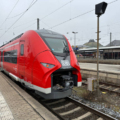
Travelling from Paris to Versailles by train is one of the easiest, fastest and most affordable ways to reach the world-famous Palace of Versailles. With frequent departures from central Paris and direct trains running throughout the day, you can reach Versailles in as little as 11–20 minutes, depending on the route you choose. Whether you’re planning a quick half-day visit or a full day exploring the palace, gardens and historic grounds, the train offers a smooth, stress-free journey with departures every few minutes.
There are two main train options: the RER C line to Versailles Château–Rive Gauche (the closest station to the palace), and the SNCF Transilien Line N to Versailles-Chantiers, which is the fastest connection. Both services offer cheap fares starting from around €4–€5, simple boarding, and easy access from several major stations across Paris.
In this guide, you’ll find everything you need—train times, ticket prices, schedules, duration, best routes, and how to get from Paris to Versailles by train—so you can plan your journey confidently and enjoy one of France’s most iconic day trips.
Train Overview: Paris → Versailles
Travelling from Paris to Versailles is quick and straightforward, with two main train options offering frequent, direct services throughout the day. Trains run from several central Paris stations and arrive at one of three stations in Versailles, with Versailles Château–Rive Gauche being the most convenient for visiting the Palace of Versailles. With journey times as fast as 11 minutes and fares starting from around €4–€5, the train is the fastest and most efficient way to reach Versailles.
Journey Summary — Paris → Versailles
| Feature | Details |
|---|---|
| Distance | ~16 km (10 miles) |
| Fastest Journey Time | 11–12 minutes (SNCF Line N) |
| Average Journey Time | 15–20 minutes |
| Train Types | RER C & SNCF Transilien N/U |
| Departure Stations in Paris | Champ de Mars–Tour Eiffel, Musée d’Orsay, Invalides, Pont de l’Alma, Montparnasse |
| Arrival Stations in Versailles | Versailles Château–Rive Gauche (closest to Palace), Versailles-Chantiers, Versailles–Rive Droite |
| Frequency | Every 7–15 minutes |
| Direct Trains | Yes — both RER C and SNCF N lines run direct |
| Ticket Price | From €4–€5 one way |
| Operator | RER (RATP/SNCF), SNCF Transilien |
Which Train Should You Take? (Quick Overview)
1. RER C → Versailles Château–Rive Gauche (Best for the Palace)
- Closest station to the Palace of Versailles (5–10 min walk)
- Ideal for tourists and first-time visitors
- Frequent trains throughout the day
2. SNCF Transilien Line N → Versailles-Chantiers (Fastest Option)
- Fastest journey from central Paris
- Great for commuters and travellers wanting the quickest route
- Comfortable regional trains with more seating
3. Transilien Line L → Versailles–Rive Droite
- Useful only from Paris Saint-Lazare
- Not the best for the Palace (longer walk)
Daily Train Schedule
Trains from Paris to Versailles run frequently throughout the day, with departures starting early in the morning and continuing until late at night. Both the RER C and SNCF Transilien Line N offer direct trains, making the journey fast and convenient for visitors heading to the Palace of Versailles or central Versailles.
Below are the typical first and last train times, average frequencies, and expected journey durations for each route. Exact times may vary depending on the travel date, engineering work, or public holidays.
RER C Schedule — Paris → Versailles Château–Rive Gauche (Best for Palace)
| Schedule Feature | Details |
|---|---|
| First Train | ~05:30–05:40 |
| Last Train | ~23:00–23:25 |
| Frequency | Every 10–15 minutes |
| Journey Time | 30–35 minutes |
| Direct Trains | Yes |
| Departure Stations | Champ de Mars–Tour Eiffel, Musée d’Orsay, Invalides, Pont de l’Alma, Javel |
| Best For | Closest station to Palace of Versailles (5–10 min walk) |
SNCF Transilien Line N Schedule — Paris Montparnasse → Versailles-Chantiers (Fastest Option)
| Schedule Feature | Details |
|---|---|
| First Train | ~05:10 |
| Last Train | ~00:02 |
| Frequency | Every 7–10 minutes (peak), 10–20 minutes (off-peak) |
| Fastest Journey Time | 11–12 minutes |
| Average Journey Time | 15–17 minutes |
| Direct Trains | Yes |
| Departure Station | Paris Montparnasse |
| Best For | Fastest travel time + great for commuters |
Transilien Line L Schedule — Paris Saint-Lazare → Versailles–Rive Droite
| Schedule Feature | Details |
|---|---|
| First Train | ~05:25 |
| Last Train | ~23:55 |
| Frequency | Every 10–20 minutes |
| Journey Time | 25–35 minutes |
| Direct Trains | Yes |
| Departure Station | Paris Saint-Lazare |
| Best For | Travelers staying near Saint-Lazare (not ideal for Palace) |
⏱ Sample Midday Departures (Typical Weekday)
(Based on patterns from Trainline timetables — timings vary by date)
| Depart Paris | Arrive Versailles | Duration | Line | Notes |
|---|---|---|---|---|
| 10:12 | 10:24 | 12m | Line N | Fastest option |
| 10:25 | 10:55 | 30m | RER C | Best for Palace access |
| 10:38 | 10:50 | 12m | Line N | Direct |
| 10:45 | 11:15 | 30m | RER C | Direct |
| 10:52 | 11:04 | 12m | Line N | Direct |
First & Last Trains — Quick View
| Route | First Train | Last Train |
|---|---|---|
| RER C → Versailles Château–Rive Gauche | ~05:30 | ~23:25 |
| Line N → Versailles-Chantiers | ~05:10 | ~00:02 |
| Line L → Versailles–Rive Droite | ~05:25 | ~23:55 |
Train Duration & Distance
The distance between Paris and Versailles is relatively short—around 16 km (10 miles)—which is why trains between the two cities are fast, frequent and ideal for visitors making a day trip to the Palace of Versailles. Depending on the train line you choose, the journey can take anywhere from 11 minutes to roughly 35 minutes, making rail the quickest and most convenient option for most travelers.
Even though Versailles sits just outside central Paris, journey times vary because each route serves different stations, with different stopping patterns and train types. The SNCF Transilien Line N is the fastest, offering quick regional services from Paris Montparnasse to Versailles-Chantiers, while the RER C provides the most direct access to the Palace, stopping at Versailles Château–Rive Gauche, but with slightly longer travel times due to more intermediate stops.
Regardless of which train you take, trains run frequently throughout the day—often every few minutes—making travel highly flexible without the need for strict planning or reservations.
Distance & Duration Summary
| Metric | Details |
|---|---|
| Distance (Paris → Versailles) | ~16 km / 10 miles |
| Fastest Travel Time | 11–12 minutes (Line N) |
| Average Travel Time | 15–20 minutes |
| RER C Duration | 30–35 minutes |
| Frequency | Every 7–15 minutes depending on route |
| Direct Trains | Yes (all lines) |
| Best For Visiting Palace | RER C → Versailles Château–Rive Gauche |
| Best for Speed | SNCF Line N → Versailles-Chantiers |
Why Do Journey Times Vary?
Several factors influence the total travel time:
1. Train Type
- SNCF Line N trains are regional services with fewer stops → fastest.
- RER C trains stop multiple times along the Seine → slower but closer to Palace.
2. Departure Station
- Montparnasse departures (Line N) reach Versailles sooner because of direct routing.
- RER C trains load passengers across key central Paris tourist areas, adding minutes.
3. Time of Day
- Minor variations occur during peak hours due to longer boarding times.
4. Walking Time to the Palace
The train journey may be short, but walking time varies:
- Versailles Château–Rive Gauche: 5–10 minutes
- Versailles-Chantiers: 15–20 minutes
- Versailles–Rive Droite: 17–25 minutes
Duration Comparison Table — Paris → Versailles
| Route / Train Line | Average Duration | Fastest Duration | Notes |
|---|---|---|---|
| SNCF Transilien Line N → Versailles-Chantiers | 15–17 minutes | 11–12 minutes | Fastest and most frequent option |
| RER C → Versailles Château–Rive Gauche | 30–35 minutes | ~28 minutes | Best for the Palace (closest station) |
| Transilien Line L → Versailles–Rive Droite | 25–35 minutes | ~24 minutes | Useful only from Saint-Lazare |
Train Ticket Prices: Paris → Versailles
Train ticket prices from Paris to Versailles are among the cheapest in the entire Paris regional network, making it one of the most budget-friendly day trips for visitors heading to the Palace of Versailles. Both the RER C and SNCF Transilien lines offer simple, no-reservation tickets that can be purchased on the day of travel or in advance through ticket machines, apps, or at station counters.
Most one-way fares begin at around €4–€5, similar to what you’ll see listed on booking platforms such as Trainline and Rail Europe (often displayed from £4.96). Prices remain consistent throughout the year, with only minor differences depending on the fare type, whether you’re buying a same-day ticket, using a pass, or travelling with a discount card.
Below you’ll find a complete breakdown of ticket types, average prices, passes, and best-value options to help plan your journey.
Standard One-Way Ticket Prices (Paris → Versailles)
(Applicable for both RER C and Transilien N/L routes)
| Ticket Type | Route | Valid For | Approx. Price (One Way) |
|---|---|---|---|
| Standard Adult Ticket | All Paris → Versailles routes | One journey | €4.00 – €5.00 |
| Youth/Child Ticket (4–11 yrs) | All routes | One journey | €2.00 – €2.50 |
| Under 4 Years | All routes | Free | €0 |
| Return Ticket (Adult) | All routes | Same day return | €8.00 – €10.00 |
| Paper Ticket (t+) | Not valid | Not valid to Versailles | – |
RER C Ticket Prices — Paris → Versailles Château–Rive Gauche
| Fare Type | Price | Notes |
|---|---|---|
| One-Way Adult | ~€4.00 – €4.50 | Direct to the closest station to the Palace |
| Round Trip | ~€8.00 – €9.00 | Best for same-day visits |
| Child Fare (4–11 yrs) | ~€2 | 50% discount |
| Navigo Easy + Top-Up | Zone 1–4 pricing applies | Great for multiple destinations |
| Paris Visite Pass | Included | Unlimited travel for chosen days |
| Navigo Weekly/Monthly | Included | Ideal for longer stays |
SNCF Transilien Line N Ticket Prices — Paris Montparnasse → Versailles-Chantiers
| Fare Type | Price | Notes |
|---|---|---|
| One-Way Adult | €4.00 – €5.00 | Fastest train option |
| Round Trip | €8.00 – €10.00 | Consistent pricing all day |
| Child Ticket | ~€2 | 50% discount |
| Pass Holders (Navigo) | Included | Valid for Zones 1–4 |
| Ticket Machine Purchase | No surcharge | Same price as online |
Transilien Line L Ticket Prices — Saint-Lazare → Versailles–Rive Droite
| Fare Type | Price | Notes |
|---|---|---|
| One-Way Adult | ~€4.00 – €5.00 | Slightly longer walk to Palace |
| Return Ticket | ~€8.00 – €10.00 | Same-day return option |
| Children (4–11 yrs) | ~€2 | Discounts available |
| Passes (Navigo / Paris Visite) | Included | Valid for unlimited rides |
Paris Travel Pass Options (Best Value for Tourists)
| Pass Type | Valid Zones | Price Range | Best For |
|---|---|---|---|
| Navigo Day Pass | Zones 1–4 | €7.50–€12.00 | Day trip including Versailles |
| Paris Visite Pass | Zones 1–5 | €13.20–€65.00 | Multi-day unlimited travel |
| Navigo Weekly Pass | Zones 1–5 | €30–€35 approx. | If staying a full week (Mon–Sun) |
| Navigo Easy Card | Load tickets | €2 for the card | Flexible, but single tickets needed |
Where to Buy Tickets
You can buy tickets from:
- SNCF ticket machines
- RATP ticket machines
- Trainline app/website
- SNCF Connect app
- Station counters
- Navigo Easy card reload
All offer the same price for standard tickets, similar to what Trainline and Rail Europe display.
Important Notes About Pricing
- Prices are fixed for Versailles routes—no dynamic pricing like TGV or Eurostar.
- Tickets do not require seat reservations.
- You can use contactless cards on some lines, but not always recommended.
- Return tickets simply equal two one-way tickets—there is no separate discounted “return fare.”
- If using Navigo passes, ensure your zones include Zone 4.
How to Find Cheap Train Tickets
Finding cheap train tickets from Paris to Versailles is easy because this route uses standard regional fares rather than high-speed pricing. However, there are still several smart ways to reduce your overall travel cost, especially if you’re traveling with family, visiting multiple attractions, or planning several train trips around Paris. Since prices are already low—usually around €4–€5 one way—your main savings come from choosing the right pass, avoiding peak times, and booking strategically.
Below are expert-backed tips inspired by Trainline’s official advice, expanded for the Versailles route.
1. Buy Your Tickets in Advance (If Using Apps)
While prices for this route don’t fluctuate dramatically, buying tickets ahead of time through apps like Trainline or SNCF Connect helps you:
- Avoid queues at busy stations
- Access digital tickets
- See any temporary promo fares
- Easily compare Paris departure stations
Trainline often highlights the cheapest departure times through its price calendar, which can help you choose more affordable travel windows.
2. Travel Outside Peak Hours (Save Time + Avoid Crowds)
Commuter peak times in Paris are:
- 06:00 – 10:00
- 15:00 – 19:00
During these hours, trains are busier and sometimes more crowded. While prices usually remain stable, traveling off-peak:
- Ensures more comfortable seating
- Makes boarding easier
- Reduces travel stress
- Increases chances of getting quieter trains
Mid-mornings and early afternoons are ideal for Versailles visits.
3. Use a Rail Pass (Big Savings on Multi-Day Travel)
If you’re using trains across Paris for more than one day, consider:
- Navigo Day Pass (Zones 1–4)
- Paris Visite Travel Pass
- Navigo Weekly/Monthly Pass
These passes cover the full Paris → Versailles journey and can dramatically reduce costs for longer stays.
Example:
A Navigo Weekly Pass (Zones 1–5) often becomes cheaper than buying 3–4 return tickets to Versailles.
4. Choose Slower or Alternative Routes (Trainline Tip)
Trainline suggests considering slower or connecting trains for cheaper fares.
While Paris → Versailles fares don’t fluctuate strongly, you may find:
- RER C trains are cheaper with travel passes
- SNCF Line N sometimes offers quicker, more comfortable rides for the same price
- Multi-trip options save more on certain lines
Choosing a “slower” train does not significantly change travel time but may offer less crowded conditions and easier boarding.
5. Look for Seasonal Train Ticket Deals
Throughout the year, apps and operators run limited-time discounts on:
- Youth fares
- Weekend fares
- Multi-day passes
- Tourist packages
- Family promotions
Trainline often highlights such promotions under its European rail deals page. Even if Paris → Versailles fares don’t change, passes and bundles can offer savings for frequent travelers.
6. Travel in Small Groups for Shared Savings
Group discounts are not common on this specific route, but:
- Families benefit from child discounts
- Paris Visite passes make group travel predictable and simpler
- Travel cards reduce total cost for multi-person trips
7. Avoid Buying t+ Metro Tickets (Not Valid for Versailles)
A common mistake among visitors:
❌ A t+ metro ticket is NOT valid for Versailles.
It only covers travel within Zones 1–2.
Using the wrong ticket can result in fines.
Always choose a Zone 1–4 fare, RER ticket, or a travel pass that includes Zone 4.
8. Use Contactless Payment (On Some Lines) — But Check Before You Travel
Some Paris routes allow contactless pay-as-you-go, but it isn’t always enabled for Versailles trips.
If available, contactless can:
- Give point-to-point pricing
- Charge standard adult fare
- Avoid ticket machines entirely
However, use it only after confirming coverage to Versailles Château–Rive Gauche or Versailles-Chantiers.
9. Plan Return Trips Ahead to Avoid Peak Crowds Leaving Versailles
In late afternoons, trains from Versailles back to Paris become crowded due to:
- Tourist return flow
- Local commuter traffic
- School exit times
If comfort matters, consider returning:
- Before 15:00
- Or after 19:00
This won’t affect price but improves your experience significantly.
Summary: How to Get the Cheapest Tickets
- Buy early using Trainline or SNCF Connect
- Use Navigo or Paris Visite passes
- Travel outside peak hours
- Choose RER C or Line N based on your station and pass
- Watch for seasonal discounts
- Avoid invalid t+ metro tickets
With these strategies, you can confidently travel from Paris to Versailles at the lowest possible cost while enjoying a smooth and efficient journey.
Train Types: RER vs SNCF Regional
Two main types of trains operate between Paris and Versailles: the RER C suburban trains and the SNCF Transilien regional trains. Both options are direct, reliable, and frequent, but they differ in speed, comfort, travel experience, and proximity to the Palace of Versailles. Understanding these differences helps you choose the best train based on your starting point in Paris and your specific travel priorities.
While the RER C is ideal for visitors heading directly to the palace, the SNCF regional trains (Line N and Line L) offer a faster and more streamlined journey for travellers focused on speed and comfort. Below is a detailed breakdown of these two train types.
RER C — Paris to Versailles Château–Rive Gauche (Best for Palace Access)
The RER C is a suburban commuter line that connects central Paris with the southwestern suburbs, including Versailles. It stops at key Paris landmarks such as Champ de Mars–Tour Eiffel, Musée d’Orsay, Invalides, and Pont de l’Alma, making it extremely convenient for tourists staying near central attractions.
Key Features of the RER C:
- Direct access to the Palace of Versailles (closest station)
- Frequent trains every 10–15 minutes
- Average journey time: 30–35 minutes
- Multiple stops along the Seine
- Simple ticketing—standard regional fare (Zone 4)
- Good for families, first-time visitors, and travellers prioritizing convenience
Travel Experience:
- Bench-style seating
- No luggage racks or reserved seating
- No onboard toilets
- Can be crowded during peak hours
- Ideal if you’re coming from the Eiffel Tower, Orsay, or Invalides area
SNCF Transilien Regional Trains (Line N & Line L)
These are suburban/commuter regional trains operated by SNCF, offering faster services with fewer stops compared to the RER C. They depart from major Paris train stations such as Montparnasse (Line N) and Saint-Lazare (Line L).
Key Features of Transilien Line N (Fastest Option):
- Fastest route from Paris to Versailles
- 11–12 minutes travel time
- Comfortable seating and more space
- Runs between Paris Montparnasse → Versailles-Chantiers
- Direct trains all day
- Ideal for travellers staying in southern/central Paris districts
Key Features of Transilien Line L:
- Runs from Paris Saint-Lazare → Versailles–Rive Droite
- Travel time: 25–35 minutes
- Good if your hotel is near Saint-Lazare
- Not ideal for Palace access due to longer walking distance
Travel Experience:
- More comfortable than RER C
- Better seating layout
- Some trains have basic luggage space
- Onboard toilets on selected services
- Reliable during peak commuter hours
Train Types Comparison Table — RER C vs SNCF Regional Trains
| Feature | RER C | SNCF Transilien Line N | SNCF Line L |
|---|---|---|---|
| Travel Time | 30–35 minutes | 11–12 minutes (fastest) | 25–35 minutes |
| Best For | Palace access | Fastest travel | Travelers near Saint-Lazare |
| Departure Station(s) | Champ de Mars, Orsay, Invalides | Paris Montparnasse | Paris Saint-Lazare |
| Arrival Station | Versailles Château–Rive Gauche | Versailles-Chantiers | Versailles–Rive Droite |
| Direct Trains | Yes | Yes | Yes |
| Comfort Level | Basic | More comfortable | Moderate |
| Onboard Toilets | ❌ No | ✔ Some services | ✔ Some services |
| Ticket Price | €4–€5 | €4–€5 | €4–€5 |
| Crowded During Peak Hours | Yes | Yes | Moderate |
| Closest to Palace | ✔ Closest (5–10 min walk) | 15–20 min walk | 17–25 min walk |
Which Train Should You Choose?
Choose the RER C if…
- You want the closest station to the Palace
- You’re staying near Eiffel Tower, Orsay, Invalides, or central Paris
- Convenience is more important than speed
Choose SNCF Line N if…
- You want the fastest journey
- You’re staying near Montparnasse
- You prefer more comfortable seating
Choose SNCF Line L if…
- Your hotel is near Saint-Lazare
- You don’t mind a longer walk to the Palace
Onboard Experience (Food, WiFi, Power, Luggage)
The onboard experience on trains from Paris to Versailles is simple, comfortable, and designed for short-distance regional travel. Since the journey typically lasts between 11 minutes and 35 minutes, train operators focus on efficient seating, smooth boarding, and easy access rather than full-service amenities. The level of comfort varies slightly between the RER C and the SNCF Transilien regional trains, but both offer a reliable and straightforward experience for commuters and visitors heading to the Palace of Versailles.
Here is everything you can expect onboard the trains serving this route.
Luggage Space & Storage
All trains on the Paris → Versailles route are commuter-style services with open, flexible space for personal bags.
- Medium-sized luggage and daypacks fit easily under seats
- Overhead shelves are available on some SNCF Transilien trains
- RER C trains do not have dedicated luggage racks
- Large suitcases are allowed but may be difficult during peak times
- Boarding is step-free on many carriages, convenient for strollers and small trolleys
For a day trip to Versailles, most travelers carry:
✔ backpacks
✔ handbags
✔ small travel bags
Wi-Fi Availability
There is no onboard Wi-Fi on:
- RER C trains
- SNCF Transilien Line N
- SNCF Line L
This is typical for short regional routes around Paris. You may still have mobile data coverage during most of the journey, especially on portions running alongside the Seine.
Power Outlets / Charging Points
Power sockets are not available on most trains to Versailles because these are suburban commuter trains designed for short journeys. If you need charging facilities, plan ahead or charge devices before departure.
Food & Drink Onboard
There are no café bars or vending machines on RER or SNCF Transilien regional trains. These services are designed for short hops rather than long-distance comfort.
However, you can bring your own food and drinks on board. At major stations like Paris Montparnasse, Saint-Lazare, and Champ de Mars–Tour Eiffel, you will find:
- cafés
- bakeries
- take-away counters
- supermarkets
Most visitors pick up snacks before boarding.
Pets on Board
Small pets are allowed on both RER and SNCF Transilien trains, following standard guidelines:
- Small animals in carriers: free
- Larger dogs: must be leashed and muzzled, usually at a small additional fare
- Service animals: travel free and do not require muzzles
Pets are quite common on suburban routes around Paris.
Bikes on Board
- RER C: Bicycles allowed outside peak hours and depending on space
- Transilien Line N / L: Bikes allowed onboard free of charge outside peak times
- Folding bikes are permitted at all times
Check peak restrictions:
- Weekdays: 06:30–09:30 and 16:30–19:00
- Weekends: usually no restrictions
Accessibility (Wheelchairs & Strollers)
Most trains and stations are equipped for step-free or assisted access.
- Space for wheelchairs and strollers is available
- RER C platforms vary by station; some may require assistance
- SNCF Line N has more modern trains with better accessibility features
- Elevators and ramps available at major Paris stations
If you need help, SNCF stations have assistance points.
Seating & Comfort
RER C
- Bench-style seating
- Basic interiors
- No assigned seats
- Often busy near tourist hubs
SNCF Transilien (Line N & L)
- More comfortable seating
- Wider aisles
- Better suspension and quieter ride
- Slightly roomier for luggage and strollers
Summary: What to Expect Onboard
| Feature | RER C | SNCF Line N | SNCF Line L |
|---|---|---|---|
| Wi-Fi | No | No | No |
| Power Outlets | No | No | No |
| Luggage Racks | Limited | Some trains have shelves | Some trains have shelves |
| Toilets | No | Yes (on some trains) | Yes (on some trains) |
| Comfort Level | Basic | Moderate–High | Moderate |
| Best For | Palace access | Fastest ride | Travelers near Sai |
Departure Stations in Paris
Several major stations in Paris offer direct trains to Versailles, depending on whether you choose the RER C or one of the SNCF Transilien regional lines. Each station is located in a central, well-connected area, making it easy for visitors to reach Versailles from anywhere in the city.
Below is a complete guide to every Paris station serving this route, including transport connections, key landmarks nearby, facilities, and insider travel tips. This ensures that whether you are staying near the Eiffel Tower, Montparnasse, Saint-Germain, or Saint-Lazare, you’ll know exactly where to go to take your train to Versailles.
1. Champ de Mars–Tour Eiffel (RER C)
Best For: Travelers staying near Eiffel Tower & Left Bank
The Champ de Mars–Tour Eiffel station is one of the most popular starting points for visitors heading to the Palace of Versailles. Located right beside the Eiffel Tower, this station is ideal for tourists who want a convenient, direct journey.
Key Facts:
- Line: RER C
- Direct to Versailles: Yes
- Average Travel Time: 30–35 minutes
- Walking Time to Station: 2–5 minutes from Eiffel Tower
Facilities:
- Ticket machines + Information counters
- Nearby cafés and bakeries
- Elevators available (may vary depending on maintenance)
Metro/Bus Connections:
- Metro Line 6 (via Bir-Hakeim station)
- Bus Lines: 42, 69, 82, 87
Insider Tip:
Follow signs for RER C (Direction Versailles Château–Rive Gauche). The platform numbers often change, so always check the screens for trains marked VICK or VITY — these are the RER C services going to Versailles.
2. Musée d’Orsay Station (RER C)
Best For: Visitors near the Louvre, Tuileries & Orsay Museum
This station is right under the famous Musée d’Orsay and conveniently located along the Seine.
Key Facts:
- Line: RER C
- Direct to Versailles: Yes
- Travel Time: 30–35 minutes
Facilities:
- Modern ticket machines
- Underground platforms
- Café + restrooms inside the museum (outside ticketed area)
Connections:
- Metro Line 12 at Solférino
- Bus Lines: 24, 63, 68, 69
Insider Tip:
This station is usually less crowded than Champ de Mars or Invalides, making it a smooth departure point.
3. Invalides Station (RER C + Metro Lines 8 & 13)
Best For: Travelers staying around Champs-Élysées, Rodin Museum, or Les Invalides
Invalides is a centrally located departure station with multiple metro lines.
Key Facts:
- Line: RER C
- Direct to Versailles: Yes
- Travel Time: 30–35 minutes
Facilities:
- Ticket machines
- Large concourse
- Accessible elevators
- Convenience stores
Connections:
- Metro Line 8 (to Opéra, Bastille)
- Metro Line 13 (to Montparnasse, Saint-Lazare)
Insider Tip:
This is one of the easiest stations for smooth transfers from the metro to RER platforms.
4. Pont de l’Alma Station (RER C)
Best For: Travelers near Quai Branly, Seine riverfront, and luxury Left Bank hotels
A smaller RER C station close to the Seine.
Key Facts:
- Line: RER C
- Direct to Versailles: Yes
- Travel Time: 30–35 minutes
Facilities:
Basic—ticket machines, entry gates, and simple platforms.
Connections:
- Bus Lines: 42, 63, 72, 80
Insider Tip:
A good option if you’re staying near Rue Cler or Alma-Marceau neighborhoods.
5. Javel Station (RER C)
Best For: Travelers in the 15th Arrondissement / Beaugrenelle Mall
An excellent starting point if you’re staying southwest of the Eiffel Tower.
Key Facts:
- Line: RER C
- Direct to Versailles: Yes
Facilities:
- Ticket machines
- Modern platforms
- Nearby shopping mall (Beaugrenelle)
Connections:
- Metro Line 10 (Javel–André Citroën)
6. Paris Montparnasse (SNCF Line N — Fastest Route)
Best For: Travelers who want the fastest journey to Versailles
Paris Montparnasse is the departure station for the Transilien Line N, the fastest train to Versailles.
Key Facts:
- Line: SNCF Transilien Line N
- Direct to Versailles-Chantiers: Yes
- Fastest Travel Time: 11–12 minutes
- Average Time: 15–17 minutes
Facilities:
- Restaurants, cafés, shops
- Restrooms
- Large waiting lounges
- Ticket counters + SNCF machines
Connections:
- Metro Lines 4, 6, 12, 13
- Numerous buses
Insider Tip:
If speed matters and you don’t mind a slightly longer walk at Versailles, Line N from Montparnasse is the best option.
7. Paris Saint-Lazare (SNCF Line L)
Best For: Travelers staying in Opera, Madeleine, or Northern Paris
Saint-Lazare serves the Transilien Line L to Versailles–Rive Droite.
Key Facts:
- Line: Transilien Line L
- Direct to Versailles–Rive Droite: Yes
- Travel Time: 25–35 minutes
Facilities:
- Restaurants & bakeries
- Large mall-style interior
- Ticket office
- Self-service machines
Connections:
- Metro Lines 3, 12, 13, 14
- RER E (nearby station: Haussmann–Saint-Lazare)
Insider Tip:
Great if your hotel is in the Opera district—but remember this is not the best line for the Palace (longer walk).
Summary: Which Paris Station Should You Choose?
| If You Are Staying Near… | Best Station | Best Train |
|---|---|---|
| Eiffel Tower | Champ de Mars | RER C |
| Louvre / Orsay / Tuileries | Musée d’Orsay | RER C |
| Invalides / Champs-Élysées | Invalides | RER C |
| Montparnasse Area | Montparnasse | Line N (Fastest) |
| Opera / Madeleine | Saint-Lazare | Line L |
| Left Bank (7th, 15th) | Javel | RER C |
Arrival Stations in Versailles
Versailles has three main train stations, and the one you arrive at depends on which train line you take from Paris. Choosing the right station is extremely important—especially for visitors heading to the Palace of Versailles (Château de Versailles), since walking distances vary significantly.
Below is a complete, detailed guide to all Versailles arrival stations, including which Paris lines serve them, the walking time to the palace, facilities, accessibility, nearby landmarks, and the best station for different types of travelers.
1. Versailles Château–Rive Gauche (RER C)
⭐ Best and Closest Station to the Palace of Versailles
This is the main station for tourists visiting the palace. It is the only station located within a 5–10 minute walk of the Château de Versailles entrance.
Key Facts
- Line: RER C
- Direct From: Champ de Mars, Musée d’Orsay, Invalides, Javel
- Travel Time: 30–35 minutes
- Distance to Palace: 5–10 minute walk (closest)
- Ideal For: Tourists, families, first-time visitors
Facilities
- Ticket machines & counters
- Small shops, cafés, bakeries
- Restrooms (sometimes outside station)
- Taxi stand & local buses
- Clear signs pointing to the palace
Accessibility
- Step-free access available via ramps
- Wheelchair-friendly routes to palace
Insider Tip:
When you exit, simply follow the large signs for “Château de Versailles”—you’ll walk straight down Avenue de Paris leading to the palace gates.
2. Versailles-Chantiers (SNCF Line N — Fastest Arrival Station)
⚡ Fastest train route from Paris but not the closest to the Palace
Versailles-Chantiers is the main regional hub for Versailles and the arrival point for the fastest trains from Paris Montparnasse.
Key Facts
- Lines: SNCF Transilien Line N + Line U
- Direct From: Paris Montparnasse
- Fastest Travel Time: 11–12 minutes
- Distance to Palace: 15–20 minute walk
- Ideal For: Travellers wanting the fastest journey, commuters, hotels near Chantiers
Facilities
- Large modern station
- Shops, bakeries, cafés
- Restrooms
- Waiting areas
- Bus connections to the palace
- Taxi & rideshare pickup zone
Accessibility
- Excellent accessibility (elevators, wide platforms)
- Easy for strollers and wheelchairs
Insider Tip:
If you prefer comfort, modern facilities, and the quickest train, Line N to Versailles-Chantiers is your best choice—even if it requires a longer walk.
3. Versailles–Rive Droite (SNCF Line L)
👌 Good option if you’re staying near Paris Saint-Lazare
Versailles–Rive Droite is served by Transilien Line L from Paris Saint-Lazare. It is less commonly used by tourists because the walk to the palace is longer, but it’s convenient for those staying in northern or western Paris.
Key Facts
- Line: SNCF Transilien Line L
- Direct From: Paris Saint-Lazare
- Travel Time: 25–35 minutes
- Distance to Palace: 17–25 minute walk
- Ideal For: Business travellers, hotels near Saint-Lazare, returning commuters
Facilities
- Ticket machines
- Small cafés nearby
- Bus connections toward the palace
Accessibility
- Some step-free options, depending on platform
- Older station but manageable
Insider Tip:
Use the local Bus 471 from Rive Droite for a quick connection to the palace.
Versailles Arrival Stations Comparison Table
| Station | Train Line | From Paris Station | Fastest Duration | Walking Time to Palace | Best For | Direct Trains |
|---|---|---|---|---|---|---|
| Versailles Château–Rive Gauche | RER C | Champ de Mars, Invalides, Orsay | 30–35 min | 5–10 min (closest) | Tourists, families, first-time visitors | ✔ Yes |
| Versailles-Chantiers | Line N / U | Paris Montparnasse | 11–12 min (fastest) | 15–20 min | Speed, comfort, commuters | ✔ Yes |
| Versailles–Rive Droite | Line L | Paris Saint-Lazare | 25–35 min | 17–25 min | Travelers near Saint-Lazare | ✔ Yes |
Which Versailles Station Should You Choose?
✔ Choose Versailles Château–Rive Gauche if:
- You want the closest station to the Palace
- You’re staying near the Eiffel Tower, Invalides, Louvre, Orsay
- You prefer a straightforward walk
✔ Choose Versailles-Chantiers if:
- You want the fastest possible train
- You’re staying near Montparnasse
- You prefer modern trains and bigger stations
✔ Choose Versailles–Rive Droite if:
- Your hotel is near Saint-Lazare
- You want a quieter route with fewer tourists
Train vs Bus vs Taxi vs Ride Apps
Travelling from Paris to Versailles can be done by several transport options, but the train is almost always the fastest, cheapest, and most convenient—especially for visiting the Palace of Versailles. Buses and taxis can offer alternatives, but they often take longer due to Paris traffic, while ride-sharing apps provide door-to-door comfort at a higher price.
Below is a detailed comparison of every major option so you can choose the best one based on budget, comfort, speed, and travel style.
1. Train (RER C or SNCF Transilien)
Best overall option — fast, cheap, frequent, and reliable
Why choose the train:
- Cheapest transport option (from €4–€5)
- Fastest route (as little as 11 minutes on Line N)
- Direct trains from central Paris
- Closest arrival point to the Palace of Versailles (Rive Gauche station)
- Runs every few minutes
- No need to worry about traffic
Ideal For:
Tourists, families, solo travellers, anyone visiting the palace
2. Bus (Less Recommended)
There are a few bus routes between Paris and Versailles, but they are much slower and rarely used for this trip.
Why bus is less convenient:
- Can take 60–90 minutes depending on traffic
- Requires transfers
- Not direct from major central locations
- Prone to delays during peak hours
Best For:
Budget travellers already staying near a specific route — otherwise train is far better.
3. Taxi (Comfortable but expensive)
Taxis offer door-to-door convenience but come at a premium price.
Pros:
- Private door-to-door service
- No walking required
- Comfortable for groups or families
Cons:
- Expensive (€45–€70+ one way)
- Slow during rush hour
- Harder to find return taxis from Versailles unless booked in advance
Ideal For:
Groups sharing the fare, travellers with heavy luggage, or those wanting maximum comfort.
4. Ride Apps (Uber, Bolt, Free Now)
A modern alternative to taxis, usually cheaper but still slower than the train.
Pros:
- App-based convenience
- Often cheaper than traditional taxis
- Easy to request pickup from your hotel
- Different car types (economy, van, premium)
Cons:
- Price surges during peak hours
- Travel time varies between 35–60 minutes
- Still more expensive than train
Typical Price Range:
€35–€60 one way, depending on distance and surge.
Ideal For:
Travellers wanting door-to-door service without paying full taxi rates.
Train vs Bus vs Taxi vs Ride Apps — Full Comparison Table
| Feature | Train (RER C / SNCF) | Bus | Taxi | Ride Apps (Uber/Bolt) |
|---|---|---|---|---|
| Price (One Way) | €4–€5 | €3–€6 (but slow) | €45–€70+ | €35–€60 |
| Travel Time | 11–35 mins | 60–90 mins | 35–60 mins | 35–60 mins |
| Direct to Palace? | Yes (Rive Gauche) | No | No | No |
| Traffic Delays | None | High | High | Medium–High |
| Comfort Level | Moderate | Low | High | High |
| Ease for Tourists | Very easy | Low | High | High |
| Frequency | Every 7–15 mins | Limited | On demand | On demand |
| Best For | Tourists, families, day trips | Locals only | Luxury & convenience | Door-to-door ease |
inal Recommendation: Which One Should You Choose?
✔ Best Overall: Train
Fastest, cheapest, and closest to the palace.
✔ Best for Comfort: Taxi / Ride Apps
Good for groups or travellers with heavy luggage.
✔ Best for Budget (Non-train): Bus
Only if you’re already near a departing route—but expect delays.
✔ Best for Speed: SNCF Line N
Fastest connection to Versailles-Chantiers (11 minutes).
FAQs: Paris → Versailles Train
1. What train goes from Paris to Versailles?
You can take the RER C train to Versailles Château–Rive Gauche (closest to the Palace) or the SNCF Transilien Line N from Paris Montparnasse to Versailles-Chantiers. Line L from Saint-Lazare also goes to Versailles–Rive Droite.
2. How long is the train ride from Paris to Versailles?
Depending on the route, the train ride takes between 11 minutes and 35 minutes. Line N is the fastest, while RER C takes around 30–35 minutes.
3. How much is a train ticket from Paris to Versailles?
Tickets typically cost €4–€5 one way, with return tickets priced around €8–€10. Prices remain consistent throughout the year.
4. Which station in Versailles is closest to the Palace of Versailles?
The closest station is Versailles Château–Rive Gauche, just a 5–10 minute walk from the main entrance.
5. Do trains from Paris to Versailles run direct?
Yes, all RER C, Line N, and Line L trains run direct to their respective Versailles stations with no transfers required.
6. Where does the RER C train to Versailles leave from?
RER C trains depart from several central Paris stations including Champ de Mars–Tour Eiffel, Musée d’Orsay, Invalides, Pont de l’Alma, and Javel.
7. What time is the first train from Paris to Versailles?
The first departures are usually around 05:10–05:40 depending on the train line and station.
8. What time is the last train from Versailles to Paris?
The final trains generally run around 23:00–00:02, depending on the line and day of the week.
9. How often do trains run from Paris to Versailles?
Trains run very frequently—about every 7–15 minutes on most routes throughout the day.
10. Can I use a Navigo Pass to travel to Versailles?
Yes, a Navigo Weekly, Monthly, or Day Pass (Zones 1–4) is valid for travel to all Versailles stations.
11. Is the t+ metro ticket valid for Versailles?
No. A standard t+ metro ticket is not valid for Versailles because it is outside central Paris zones. You need a Zone 1–4 regional ticket or a valid travel pass.
12. Can I buy train tickets to Versailles on the day of travel?
Yes, tickets can be bought on the same day at ticket machines, station counters, or mobile apps with no price increase.
13. Are the trains to Versailles safe?
Yes, these trains are widely used by locals and tourists. Stations and trains are safe throughout the day, though it’s wise to stay aware of personal belongings during busy times.
14. Is there Wi-Fi onboard trains to Versailles?
No, there is no onboard Wi-Fi on RER or Transilien trains. Mobile data works for most of the route.
15. Can I bring luggage on the train?
Yes. Small and medium luggage is fine, though trains have limited luggage racks. Daypacks and small trolleys are ideal for this route.
16. Do the trains to Versailles have toilets?
RER C trains do not have toilets. Some SNCF Line N and Line L trains may have toilets depending on the train model.
17. How do I get to the Palace of Versailles from the train station?
If you arrive at Versailles Château–Rive Gauche, simply walk straight along Avenue de Paris. It takes around 5–10 minutes. From Versailles-Chantiers, the walk takes 15–20 minutes, or you can take a local bus.
18. Can I use ride apps or taxis instead of the train?
Yes, taxis and ride apps like Uber are available, but they are much more expensive and often slower due to traffic. The train is the most efficient option.
Conclusion: Why Travel by Train from Paris to Versailles?
Travelling from Paris to Versailles by train is by far the easiest, fastest, and most efficient way to reach one of France’s most iconic landmarks—the Palace of Versailles. With direct departures from central Paris every few minutes, journey times as short as 11–12 minutes, and ticket prices starting from just €4–€5, the train offers unbeatable value for both locals and visitors.
Whether you choose the RER C for its convenience and close access to the palace entrance or the SNCF Transilien Line N for the fastest connection, every option provides a smooth, comfortable, and stress-free experience. You avoid road traffic, long bus journeys, and expensive taxi fares, while enjoying a predictable and reliable schedule that fits perfectly into any day-trip itinerary.
With three different arrival stations in Versailles, excellent accessibility, and easy transfers from major Paris attractions like the Eiffel Tower, Musée d’Orsay, Invalides, and Montparnasse, the train remains the most practical and traveler-friendly way to visit Versailles. For anyone planning to discover the grandeur of the Château de Versailles, the train delivers the perfect balance of speed, affordability, and convenience.